September 14, 2026
Most parents feel a bit guilty when they hand a tablet to a toddler. We hear constantly about the dangers of too much screen time. But what if we changed how young children interact with technology entirely?
Teaching robotics to a three-year-old might sound impossible. Yet, introducing basic coding concepts early on actually builds incredible problem-solving skills without gluing kids to a digital display.
Active Building vs. Passive Watching
There is a massive difference between passively watching a cartoon and actively building a machine. Passive screen time requires zero effort from a child. Active technology use, on the other hand, asks them to think, touch, and solve puzzles. When children physically handle robotic toys, they are not just consuming media. They are learning how things work in the real world.
How 3-Year-olds Understand Coding Basics
You do not need a computer science degree to understand early coding. At its core, programming is just giving a clear set of instructions to get a specific result. Toddlers already do this every day. When they ask for a snack or figure out how to stack blocks so they do not fall over, they are sequencing steps. Early robotics simply gives them fun, physical tools to practice these exact same logical steps.
Hands-On Learning with Mousebot
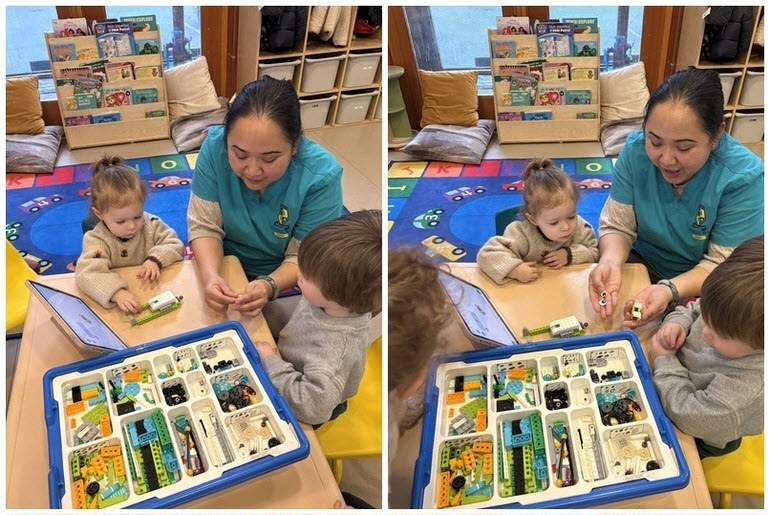
For our youngest learners, technology needs to be highly interactive and very simple. This is where tools like Mousebot come in. Children aged two to three guide this adorable robot around obstacles using simple commands. It feels exactly like a game. However, this hands-on activity actually introduces basic concepts of movement and direction while playfully encouraging problem-solving.
Problem-Solving with LEGO WeDo 2.0
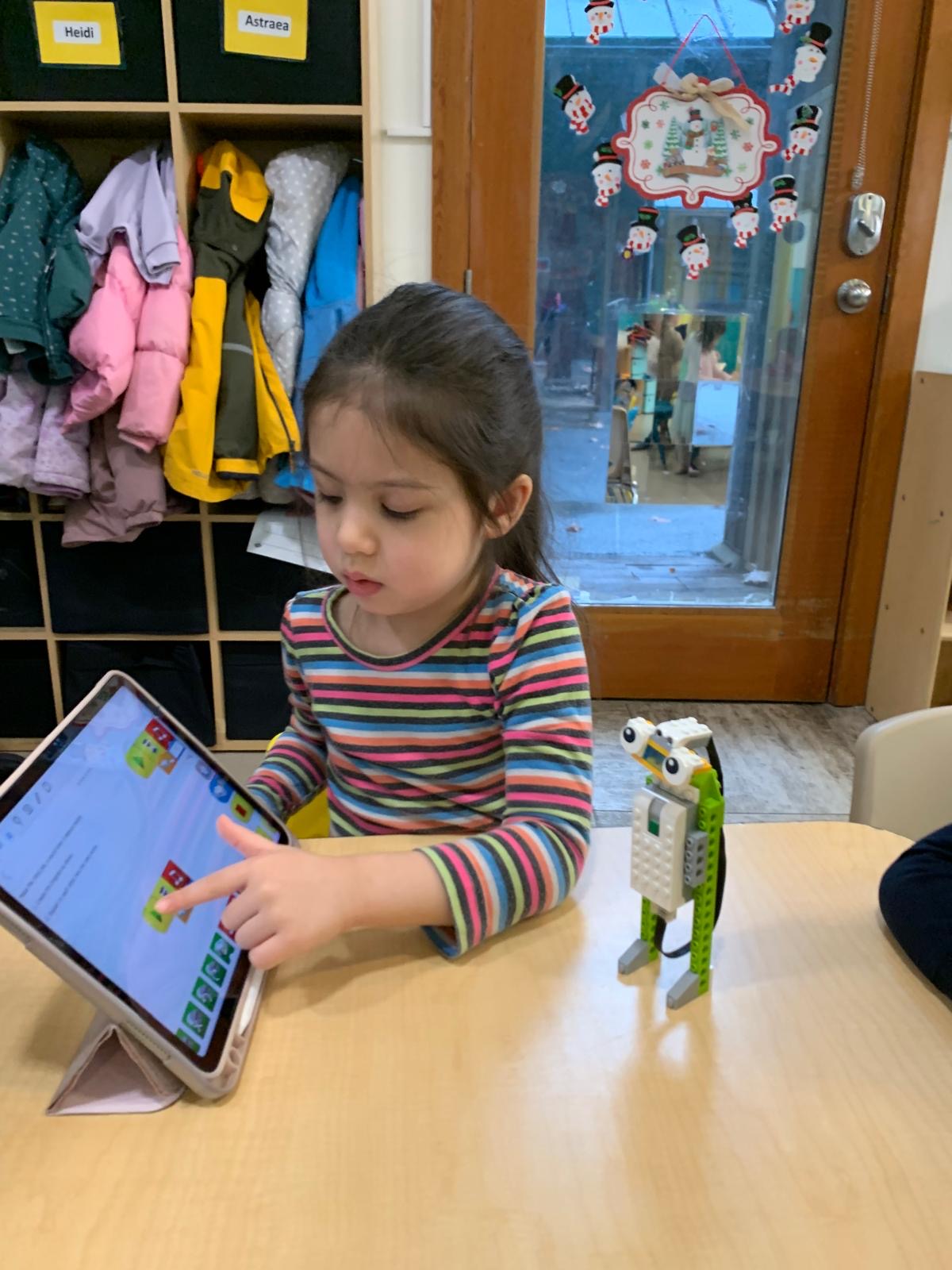
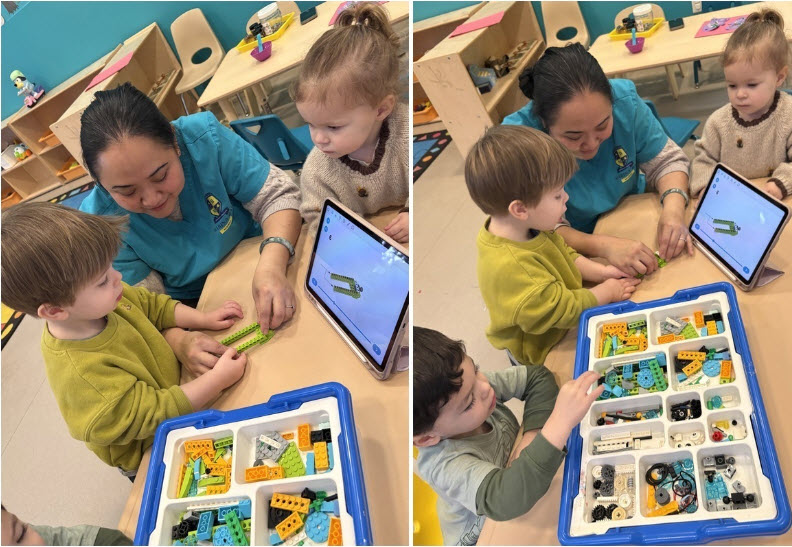
As children grow, their tools need to grow with them. Older children between the ages of three and five can actually build and program their very own LEGO robots using WeDo 2.0. They learn to assemble the robots, make them move, and add exciting actions. This process fosters deep creativity and early coding skills, moving them from simple directions to actual physical engineering.
Teaching Patience and Handling Frustration
Robots do not always do what you want them to do on the first try. When a toy robot hits a wall instead of turning left, the child has to figure out why. This creates a safe space to fail. They learn to try again, adjust their strategy, and handle frustration. Building this kind of resilience early on helps them tremendously when they eventually face harder academic challenges.
How Building Robots Helps with Future Math Skills
Math is essentially the study of patterns, logic, and space. When a child counts the steps a robot needs to reach a target, they are practicing early addition. When they visualize how a LEGO piece fits into a motor, they are developing spatial awareness. These physical activities build the neurological pathways required for more advanced math later in life.
Why You Need Trained Teachers for Early Tech
You cannot just drop a box of robotic parts in front of a toddler and expect them to learn. A high-quality Preschool West Vancouver needs educators who understand both child development and technology. For example, teachers leading these programs should have real experience, such as a background serving as a LEGO Robotics Coordinator. A trained educator knows exactly how to bridge the gap between a confusing piece of tech and a joyful learning moment.
Introducing young children to robotics is not about forcing them into a career path. It is about using fun, interactive tools to spark curiosity and creativity.
At Marina Bay Academy, we strongly believe that hands-on, play-based learning builds confident kids. If you want to see how our unique robotics programs encourage curiosity and early STEM engagement, reach out and schedule a tour with us today.
 778-984-3200
 Schedule a Tour
 Pre-register
