July 27, 2026
Leaving your child in someone else’s care is a big step for any family. Parents want to know their little one is safe, fed, and happy, but more and more they are also concerned about how those early years are shaping their child’s learning and development. What these parents often quickly discover is there is a massive gap between child supervision and actual early education.
When you tour a facility, you might hear directors talk about an “emergent curriculum”. It sounds like heavy academic jargon. In reality, it is a highly practical, everyday approach to teaching young children.
What is “Child-Led” Learning?
An emergent curriculum is a responsive teaching method built around a child’s own interests. Instead of forcing toddlers to sit through pre-planned lectures, teachers watch what naturally grabs their attention.
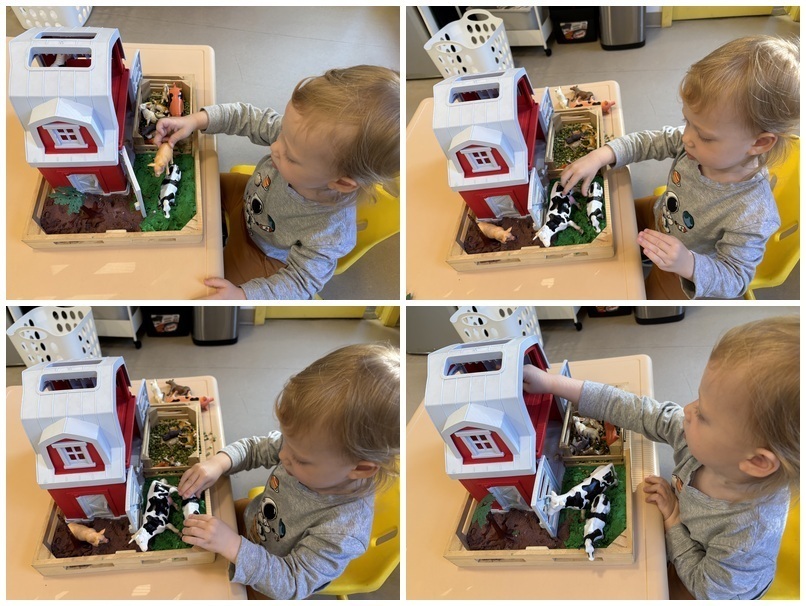
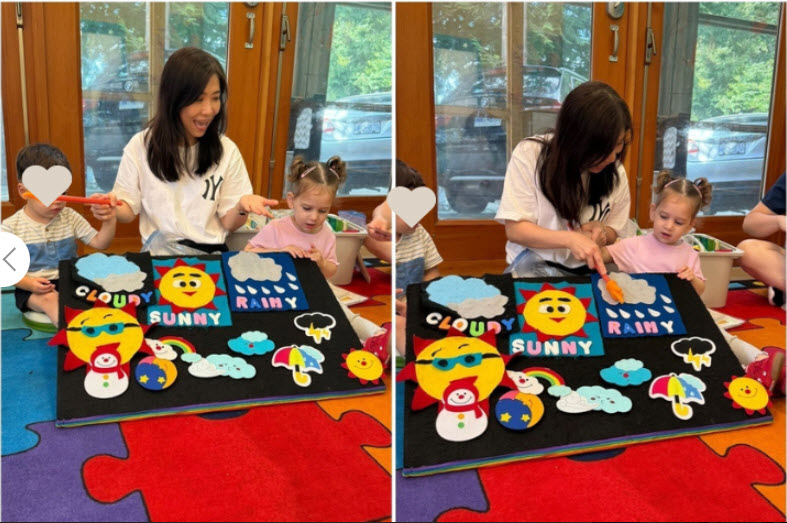
If a group of three-year-olds is suddenly fascinated by a rain puddle, the teacher turns that moment into a lesson on water, weather, or reflections. By integrating their passions into daily activities, the learning process feels entirely like play.
Why Rigid Lesson Plans Don’t Work for Toddlers
Toddlers are famously unpredictable. A strict schedule requiring a room of two-year-olds to focus on a specific craft at 10:00 AM often ends in tears. Children at this age learn best when they are genuinely engaged. Forcing a rigid plan ignores their natural developmental pace. Flexibility allows educators to capture a child’s attention when it peaks.
Observing Your Child’s Natural Interests
Good early childhood educators act almost like researchers. They spend their days watching how children interact with their environment and with each other. They notice which toys a child gravitates toward, how they handle sharing, and how they solve physical problems. This observation is the foundation of their teaching strategy.
Creating Spontaneous Learning Moments
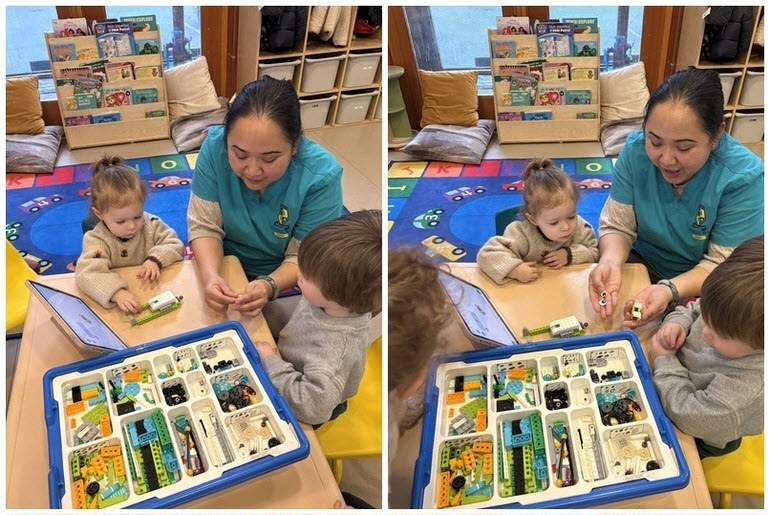
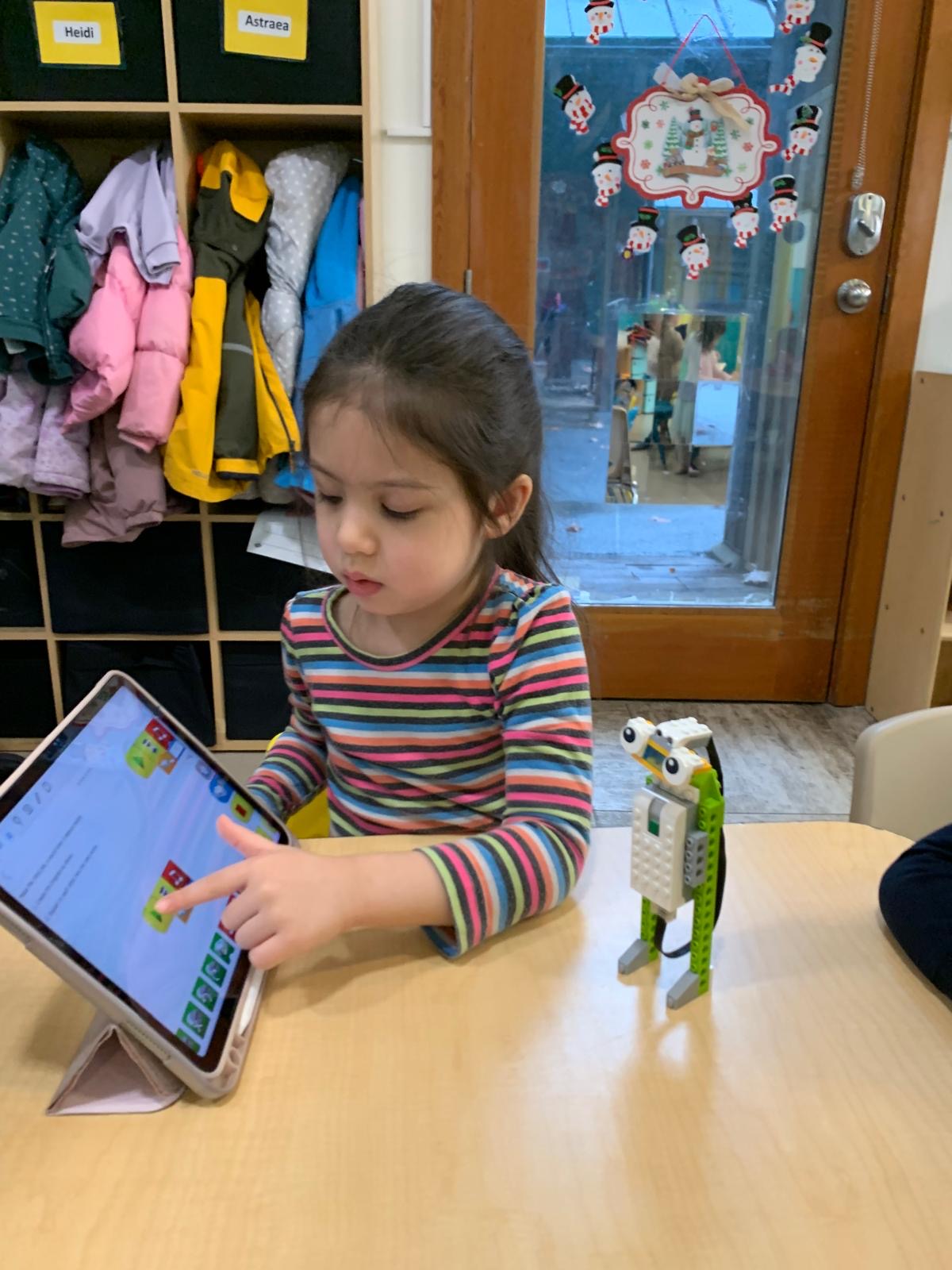
Once teachers understand what a child enjoys, they gently build on it. A simple afternoon game with wooden blocks can quickly become an early math lesson about counting, sorting, and gravity. Through cooperative play and creative activities, kids reach their social, emotional, and physical milestones naturally and with ease. It is not random. It is highly intentional teaching disguised as everyday fun.
Why the Room Setup Matters
The classroom itself serves as a teaching tool. A well-designed space should offer ample opportunities for unstructured free play, allowing children to follow their natural interests. You want to see rooms where toys and materials are easily accessible to little hands, encouraging them to make their own choices and express themselves safely.
Balancing Free Play with Important Milestones
Total freedom can easily become chaotic without some underlying structure. The best programs blend the freedom of unstructured play with the structure of proven teaching methods. For example, integrating daily Montessori time allows children to engage in hands-on, self-directed learning with thoughtfully designed materials. This specific balance helps children develop independence and sharp focus while still hitting crucial cognitive milestones.
Connecting Daily Activities to Long-Term Growth
You shouldn’t have to guess what your child actually did all day. High-quality early education relies heavily on working in partnership with families. Teachers should document learning moments and explain exactly how they connect to long-term goals. When an educator tells you your child spent an hour in the garden, they should also explain how that hands-on experience enhances cognitive and emotional development.
Setting Up Your Child for Success
Finding the right environment for your child means looking well past the surface. You want a place that values their unique personality and encourages them to explore their individuality. True child-led learning builds critical thinking, creativity, and problem-solving skills early on, laying a strong foundation for lifelong learning.
At Marina Bay Academy, we are deeply committed to creating a nurturing, inclusive environment where every child feels valued. Our educators use an emergent curriculum to create meaningful, engaging learning experiences. If you are looking for a program that truly grows with your child, reach out to schedule a tour today.
 778-984-3200
 Schedule a Tour
 Pre-register
